

How to Prepare for Trekking in Nepal
18th Mar, 2025
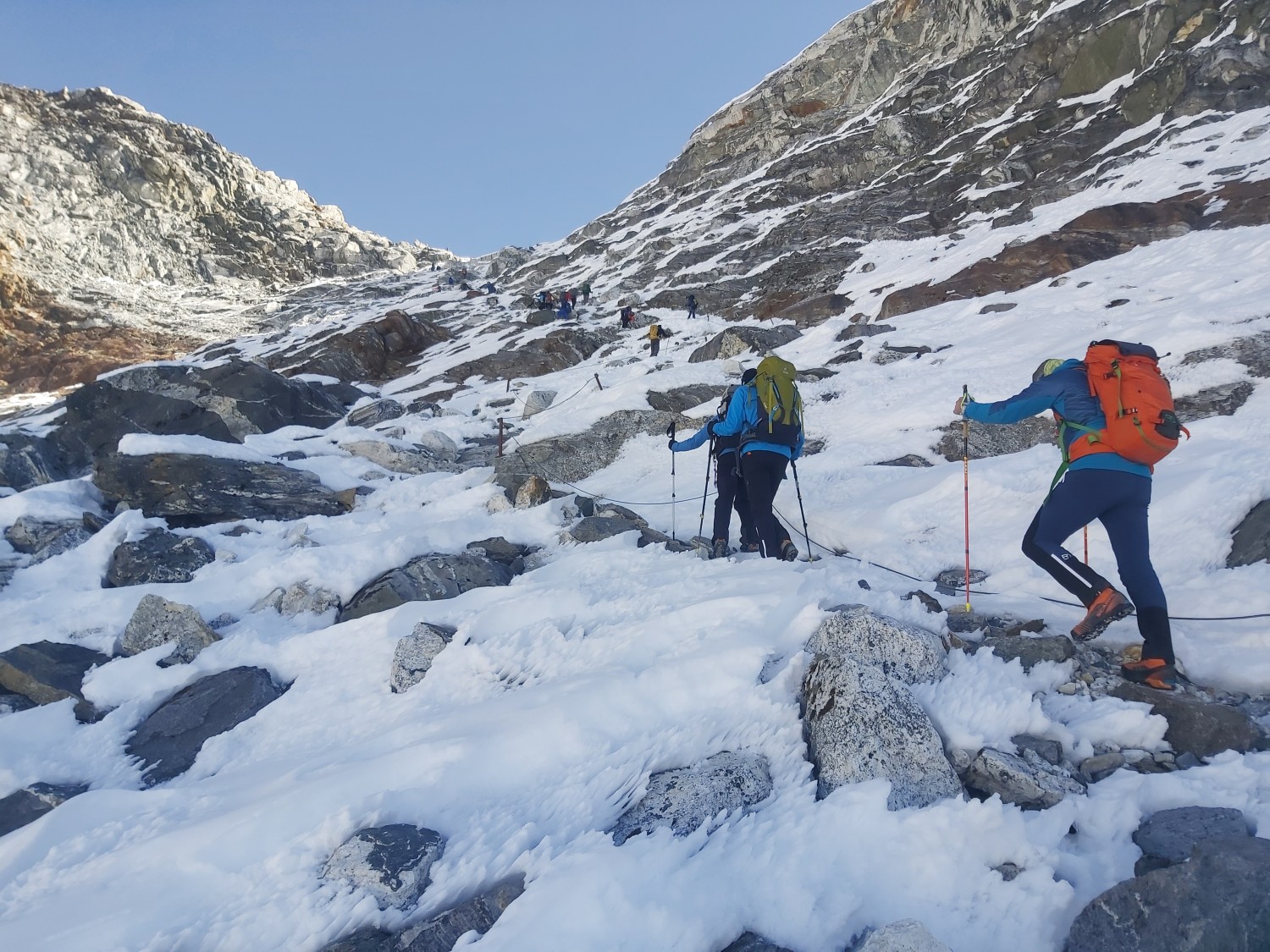
Anyone planning a Trek in Nepal should understand how to prepare properly for a safe, enjoyable, and hassle-free Himalayan trekking adventure. Proper preparation—including physical fitness, the right trekking gear, permits, travel insurance, and altitude awareness—is essential for a successful and memorable experience. It’s also important to choose a reliable and reputable trekking agency to arrange necessary permits, select the right season, and pack light but efficiently. Following these guidelines will help you fully enjoy the stunning landscapes and cultural richness of the Himalayas.
Table of Contents
All trekkers need useful tips for trekking preparation, especially on how to prepare for trekking in Nepal. Here are some helpful tips and advice for getting ready to trek in the Nepal Himalayas, including how to get fit for the journey and a guide on training and preparing your packing list to ensure an easier and more enjoyable trekking experience.
Nepal is a beautiful country known for its nature and culture, attracting thousands of trekkers who come to experience the stunning landscapes and unique traditions through trekking. Nepal offers a variety of trekking routes, ranging from short treks in the lower elevations to adventurous and challenging high-altitude treks.
Each trekking route has its own distinct features, so proper preparation is essential. The trails in Nepal are often rugged, with steep ascents and descents as well as rocky and icy paths at higher elevations.
Adequate preparation ensures safety, enjoyment, comfort, and the successful completion of the trek on time, without any problems.Here is a detailed guide on how to prepare for trekking in Nepal. We hope, this article will help all trekkers understand how to properly prepare for their trek in Nepal.
Research and Choose Trek on your Performance
Nepal offers a variety of treks, ranging from easy to extremely challenging, allowing you to choose the right trek based on your fitness, holiday time, budget, and interests. Short treks, such as the Annapurna Poon Hill Trek, Langtang Valley Trek, and Mardi Himal Trek, are ideal for beginners or those with limited time. Moderate to challenging treks, like the Everest Base Camp, Manaslu Circuit, and Annapurna Circuits are suitable for experienced trekkers, while more challenging routes include the Everest Three High Passes Trek and the Kanchenjunga North-South Base Camp Trek. Additionally, Nepal offers climbing opportunities above 6000 meters, including Island Peak, Mera Peak, and Lobuche Peak.
Choose the Reputable Trekking Agency
After choosing the right trekking route, you should gather more information about the itinerary, cost details, packing list, and required fitness level. To obtain accurate details, it is essential to select a reputable trekking agency that can provide all the necessary information. When choosing the best trekking agency, consider reviewing the company profile, customer reviews, and the services they offer.
Choose the Right Trekking Season Based on the Trekking Route
Trekkers should choose the right trekking season based on the specific route, as each season has its own characteristics and is suitable for different regions. Autumn and spring are the most popular trekking seasons in Nepal, offering clear skies, stable weather, and the best mountain views—ideal for most trekking routes. However, some treks are best done in winter, such as Ghorepani Poon Hill, Langtang Valley, Helambu Village, and the Everest View Trek, due to their lower altitude and accessibility. On the other hand, summer (monsoon season) is ideal for rain-shadow areas like Nar-Phu Valley, Upper Mustang, Upper Dolpo, Limi Valley, and the Saribung Pass Trek. Choosing the appropriate season ensures a safer, more enjoyable trekking experience.
Make a Budget Planning
After receiving all the necessary information about your trek, you should plan your budget accordingly. Once you finalize your trek, it is important to understand the total trekking cost. If you choose a full-board trekking package, most expenses will be included, except for personal costs such as tips, donations, hot showers, internet, luxury accommodations, extra snacks, charging electronic devices, and bar bills. With this information, it will be easier to manage your budget for trekking in Nepal.
Mental Preparation and Reduce the Stress Level
First, you need to mentally prepare yourself, as many trekkers often wonder about the challenging landscapes of the Nepal Himalayas and whether they can handle the trek. Flexibility, endurance, and strong stamina are essential for a successful journey. To reduce stress levels, hiring a guide and porter is highly recommended, as they provide support and enhance your experience. Engage with them, enjoy the journey, and embrace the experience of trekking in Nepal, which is as much about the journey as the destination. Immerse yourself in the local culture, landscapes, and people along the way. Additionally, watching videos about the trail and listening to music during the trek can help keep you motivated and make the journey more enjoyable.
Physical Fitness
Trekking in the Nepalese Himalayas can be physically demanding due to rocky trails, numerous ascents and descents, narrow paths, and icy high-altitude terrains, especially at higher elevations. Therefore, good physical fitness is essential to handle the challenging conditions and altitude effectively. To improve your fitness, you should incorporate exercises such as cardiovascular training (running, hiking, cycling), strength training (leg and core exercises), and endurance workouts to build stamina and prepare for the trek.
-
Cardiovascular Exercise: Engage in activities like running, cycling, or swimming to improve your stamina and lung capacity.
- Strength Training: Focus on your legs, core, and back muscles as these are heavily used while trekking.
- Hiking Practice: Practice hiking with a backpack on uneven surfaces or hills, ideally with some weight in your backpack to simulate the trekking conditions.
- Altitude Preparation: If possible, do some hiking at altitude before your trek to acclimatize and build your body’s ability to cope with reduced oxygen levels.
Prepare for cold weather
Some trekking routes are challenging due to their high elevations, where trekkers can expect cold weather. It is essential to prepare for cold temperatures at higher elevations and possible rain at lower elevations by bringing the right gear. Additionally, the weather in the Nepalese Himalayas is unpredictable, so being well-prepared for varying conditions is crucial for a safe and comfortable trekking experience.
Gear and Packing List
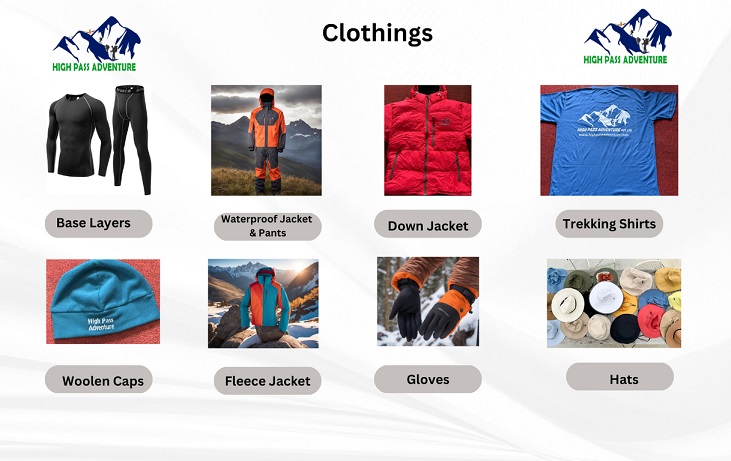 Having the right equipment is crucial for your comfort and safety. Here is a general packing list. We hope it won’t be too much to carry from your home to another country, so we've included only necessary equipment while aiming for a light pack. If you miss any gear, you can hire or buy it in Kathmandu, particularly around Thamel. These general items are suitable for all seasons while trekking in Nepal, but they may vary depending on the season and the duration of the trekking route for your chosen trip.
Clothing
- Trekking boots: Comfortable, waterproof, and durable boots with ankle support.
- Trekking pants and shirts: Quick-dry and lightweight.
- Warm layers: Fleece jacket, down jacket, or insulated jacket for cold weather.
- Rain gear: Waterproof jacket and pants.
- Gloves and hat: A warm hat for the cold, and gloves for high-altitude treks.
- Socks: Woolen and moisture-wicking socks for comfort.
- Sunglasses and sun hat: Protection from the sun at high altitudes.
- Gaiters: To protect your legs from mud, snow, or water crossings.
Sleeping Gear
- Sleeping bag: A good quality sleeping bag suitable for the trek’s altitude.
- Sleeping liner: A hygiene liner to go inside your sleeping bag.
Other Essentials
- Backpack: A 40-50L backpack for daily essentials.
- Duffel bag: For porters to carry your clothes and gear.
- Water bottle or bladder: Stay hydrated throughout the trek.
- Water purification tablets or filter: To purify water during the trek.
- First-aid kit: With essentials like pain relievers, antiseptic cream, band-aids, blister treatment, and personal medications.
- Headlamp: A reliable headlamp with extra batteries.
- Camera: For capturing memories, but don’t forget spare batteries and memory cards.
- Power bank: For charging electronics when there’s no electricity.
- Trekking poles: Useful for stability, especially on steep or rocky terrain.
Health and Safety Tips
Trekking in Nepal is an incredible experience, but staying healthy and safe is crucial for a successful adventure. For your health, trekkers should consult with a doctor before coming to Nepal, as the temperature and weather conditions are very different from what you might be accustomed to. Some trekkers need to take daily medications as advised by their doctor.
For safety, it’s important to hire a guide and porter, follow a flexible itinerary, undergo physical fitness training, take acclimatization days, and trek during the right season. These steps will help ensure you enjoy your trek worry-free.
Hydration and Nutrition
 During trekking in the Nepalese Himalayas, staying hydrated is crucial for avoiding altitude-related issues and maintaining energy levels, as the air at higher elevations is drier and has less oxygen. Trekkers often feel thirsty, so it is essential to drink plenty of water throughout the day—aiming for 2–3 liters more than usual, including water and herbal teas.
In addition to proper hydration, maintaining a balanced diet is equally important. Focus on consuming carbohydrates for energy, protein for muscle recovery, and healthy fats for endurance. Include whole grains, lean meats, nuts, seeds, and plenty of fruits and vegetables in your diet. To ensure a successful trek, it is essential to adjust your hydration and nutrition habits accordingly while trekking in the Nepalese Himalayas.
Learn Altitude Sickness Symptoms
Altitude sickness, also known as mountain sickness, is a common concern during high-elevation treks in Nepal, typically above 2,400 meters. You must be aware of high-altitude sickness symptoms, as they can arise rapidly if you hike or ascend too quickly to higher elevations.
Here are some details if you're curious about why it occurs. The main cause of altitude sickness is the decrease in air pressure. When you travel to higher elevations, the air pressure decreases, and there is less oxygen available, requiring your body to take time to adapt. According to doctors, altitude sickness can begin at 8,000 feet (2,400 meters) for those at sea level.
Symptoms include headaches, nausea, fatigue, dizziness, and shortness of breath. These symptoms can vary in severity, ranging from mild discomfort to more serious conditions. If you experience persistent headaches along with other symptoms such as nausea or vomiting, it is a sign of altitude sickness. In such cases, you should consult your guide for general treatment and take necessary measures, such as descending to a lower altitude, to prevent worsening of the condition.
Acclimatization day to reduce the Altitude Sickness for the Trek
An acclimatization day is necessary during the Trekking in Nepa because the route will be through high-altitude terrain; including the crossing some high passes. The trek starts low elevations and gradually climbs high elevations passing through rocky trail, in forest, in several villages and high-altitude areas.
As you ascend, oxygen levels and air pressure decrease compared to sea level. Once you reach an altitude above 3,000 meters, you may experience symptoms of altitude sickness, such as nausea, vomiting, diarrhea, headaches, loss of appetite, tiredness, dizziness, and sleeplessness.
Therefore, an acclimatization rest day is included in the itinerary on all trekking route. This rest day helps prevent altitude sickness and allows your body to adapt to the environment. If you experience any symptoms of altitude sickness during the Trekking, it is crucial to address them immediately to avoid complications.
To minimize risks, follow your guide’s instructions closely, as they are knowledgeable about high-altitude sickness. Be honest with your guide about how you are feeling, especially when ascending above 3,000 meters. Your guide may advise you to walk slowly, and in some cases, suggest sleeping at a lower altitude before ascending further — a method known as acclimatization.
Additionally, you should stay well-hydrated by drinking plenty of water, eat a balanced diet rich in carbohydrates, maintain a comfortable pace, and avoid alcohol and sedatives. By adhering to these guidelines, you can reduce the risk of altitude sickness and enjoy a safer, more enjoyable Trek in Nepal.
However, if you continue to feel unwell despite taking precautions, it is essential to descend to a lower altitude immediately.
About Diamox — a medicine for high altitude sickness
Diamox is the brand name for Acetazolamide, a medicine that helps prevent and treat altitude sickness (Acute Mountain Sickness, AMS). When trekkers ascend to higher elevations, oxygen levels decrease. Taking Diamox helps your body adjust faster to high altitudes by stimulating deeper and faster breathing, allowing you to take in more oxygen. Diamox works by making your blood more acidic, which signals your body to breathe faster at high elevations. This helps reduce symptoms such as headaches, nausea, and dizziness.
Based on our experience and advice from our altitude doctor, if trekkers have previous high-altitude trekking experience (around 4,000 to 5,000 meters) in Nepal, there is usually no need to take Diamox. However, if trekkers are trekking at these altitudes for the first time, it is recommended to start taking half a tablet of Diamox from the first day of the hike.
For example, all trekking route in Nepal, where the maximum elevation is 4,500 to 5500 meters, it is advisable to start taking Diamox from the first day of the trek. After taking Diamox, some people may experience side effects such as tingling sensations in the skin. Therefore, it is important to drink at least 4 liters of water per day while trekking and taking Diamox.
Important Notes
- Diamox is not a cure — it just helps prevent or lessen AMS.
- Stay hydrated — Diamox acts as a diuretic (you'll pee more!).
- Common side effects: Tingling in fingers, frequent urination, and slight taste changes.
- Always ascend slowly, even with Diamox.
- Never use Diamox as an excuse to climb too fast!
FAQs about How to Prepare for Trekking in Nepal
How Should I Prepare for Trekking in Nepal?
To prepare for trekking in Nepal, you should plan well in advance to ensure a safe, enjoyable, and successful adventure. Start by choosing the right trekking route based on your fitness level, experience, available holiday time, and the season. Next, select a reputable and government-registered trekking agency that can help you organize permits, transportation, accommodation, and experienced guides.
It is also important to study your itinerary, pack the appropriate trekking gear and clothing, obtain comprehensive travel insurance that covers high-altitude trekking and emergency helicopter evacuation, and maintain good physical fitness before your trip. Booking a full-package trek can make your journey more convenient, as your trekking agency will handle all logistics and provide expert advice on packing, acclimatization, altitude sickness prevention, and other essential trekking preparations.
How Should I Prepare Physically for Trekking in Nepal?
Physical preparation is one of the most important steps for a successful trekking experience in Nepal. It is recommended to start training at least 6–8 weeks (about two months) before your trek. Focus on cardiovascular exercises such as hiking, jogging, running, cycling, or swimming to improve your endurance. You should also include strength training for your legs, core, and upper body to build the stamina needed for long trekking days.
Practice hiking with a loaded backpack to simulate actual trekking conditions and gradually increase the duration and intensity of your training. During most treks in Nepal, you will need to walk 5–8 hours a day over varied terrain, including rocky paths, steep ascents and descents, forest trails, and high-altitude mountain routes. Regular physical training will improve your fitness, reduce the risk of injuries, and help you enjoy your Himalayan adventure with greater confidence and comfort.
What Gear Do I Need for Trekking in Nepal?
Packing the right trekking gear is essential for a safe, comfortable, and enjoyable trek in Nepal. Your equipment should be of good quality and suitable for a variety of weather conditions, including cold temperatures, rain, wind, and warm daytime weather.
Essential trekking gear includes sturdy hiking boots, moisture-wicking base layers, warm insulating layers, a waterproof and windproof jacket, a down jacket, trekking pants, trekking poles, a warm sleeping bag, sunglasses, gloves, a warm hat, a headlamp, a comfortable backpack, and a reusable water bottle. The exact gear you need will depend on the trekking season, destination, and altitude.
For a complete packing checklist, please refer to the trekking packing list provided above. If you would like more detailed information, we can provide a comprehensive packing guide, or you can read our dedicated article: Packing List for Trekking in Nepal.
Do I Need Travel Insurance for Trekking in Nepal?
Yes. Comprehensive travel insurance is highly recommended for all trekkers in Nepal, especially if you plan to trek above 3,000 meters or on high-altitude routes such as the Everest Base Camp Trek, Annapurna Circuit Trek, Manaslu Circuit Trek, or Langtang Valley Trek.
Your travel insurance should cover high-altitude trekking, altitude sickness, emergency medical treatment, helicopter evacuation, hospitalization, trip cancellation or interruption, flight delays or cancellations, lost or delayed baggage, and other unexpected travel emergencies. Before purchasing a policy, make sure it specifically covers the maximum altitude of your chosen trekking route.
If you trek in Nepal without travel insurance and experience altitude sickness, an injury, or another medical emergency, you will be responsible for paying all medical and rescue expenses yourself. Emergency helicopter evacuations and hospital treatment can be very expensive, so having comprehensive travel insurance provides financial protection and peace of mind throughout your Himalayan adventure.
How Can I Prepare for Changing Weather Conditions in Nepal During the Trek?
Weather conditions in the Nepal Himalayas can change rapidly, especially at higher elevations. To prepare for changing weather, check the seasonal weather forecast before your trek and pack clothing that can be worn in layers. This allows you to adjust easily to changing temperatures throughout the day.
Carry waterproof and windproof outerwear, a warm down jacket, thermal layers, gloves, a warm hat, and other essential gear to stay comfortable in cold, windy, rainy, or snowy conditions. It is also important to keep your clothing and electronics dry by using waterproof bags or backpack rain covers.
If you are trekking with an experienced government-licensed guide, they will provide up-to-date information about mountain weather conditions and advise you on the appropriate clothing and equipment for your trekking route and season. Following your guide's advice and being well prepared will help ensure a safe, comfortable, and enjoyable trekking experience in Nepal.
Are you interested on any of your travel serveices?
Make Inquiry NowRecent From Blog
15th Jun, 2023
21st Feb, 2021
28th Feb, 2018
5th Sep, 2023

13th May, 2019
19th Feb, 2019
8th Feb, 2021
21st Jan, 2021
29th Jul, 2020
3rd May, 2019
30th Apr, 2020

3rd Apr, 2020
17th Jul, 2020
26th Mar, 2020
31st Mar, 2020
19th Jun, 2023
11th Feb, 2020
11th Mar, 2020
27th Sep, 2019
17th May, 2019
26th Jul, 2020
6th May, 2019
5th Mar, 2019
7th Mar, 2020
18th Feb, 2019
12th Sep, 2019

27th Mar, 2018
27th Mar, 2019
2nd Mar, 2019
16th Jan, 2019

1st Jul, 2023
5th Jul, 2023

5th Jul, 2023

5th Jul, 2023

5th Jul, 2023
5th Dec, 2019
6th Jan, 2019
28th Feb, 2018
9th Dec, 2018
11th Dec, 2018

5th Oct, 2023

3rd Jan, 2024
.jpg)
27th Jan, 2024
29th Jan, 2024
19th Jan, 2025

7th Feb, 2025

17th Feb, 2025
9th Mar, 2025

15th Mar, 2025

18th Mar, 2025

23rd Mar, 2025

25th Mar, 2025

26th Mar, 2025

24th Apr, 2025

21st May, 2025

21st May, 2025

22nd Jun, 2025

22nd Jun, 2025
4th Jul, 2025

14th Jul, 2025

14th Sep, 2025
26th Sep, 2025
20th Dec, 2025
28th Jan, 2026
17th May, 2026
18th May, 2026
2nd Jun, 2026
7th Jun, 2026
9th Jun, 2026
13th Jun, 2026
14th Jun, 2026
2nd Jul, 2026
7th Jul, 2026
16th Jul, 2026
25th Jul, 2026

2nd Aug, 2026
5th Aug, 2026
9th Aug, 2026